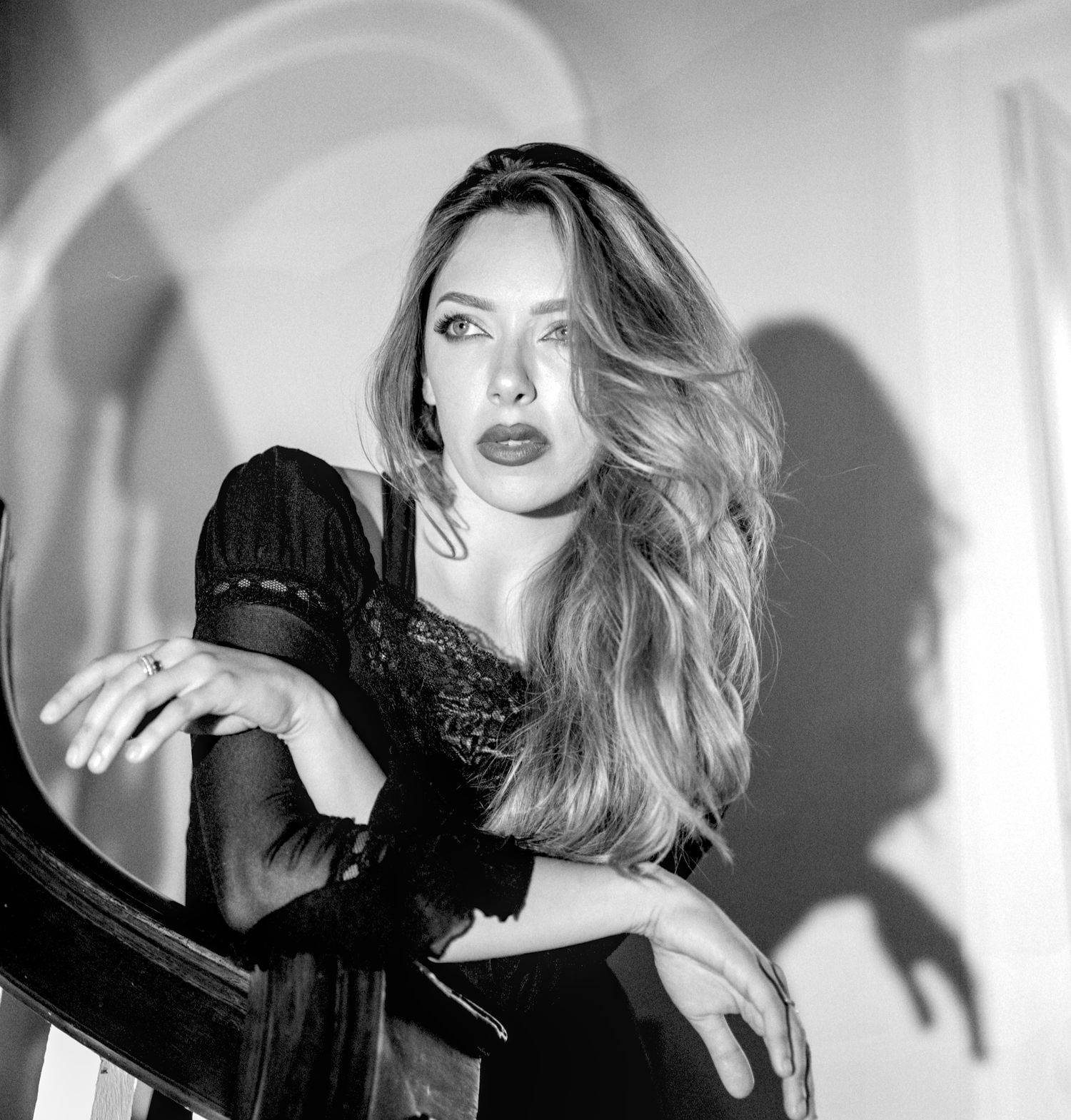
16 common pain points when hiring Fashion photographers — and how Ted Smith Photography solves them
Who this is for
Brand and creative leaders at fashion houses (luxury, indie, and emerging labels) who need distinctive visuals — for campaigns, lookbooks, product launches, and editorial — delivered on time, on budget, and on brand.
Snapshot: Why brands struggle (and what you actually need)
- Volume & speed vs. quality. Marketing calendars demand fast turnarounds without compromising brand polish.
- Disjointed production. Casting, locations, styling, and retouching can sprawl without one accountable owner.
- Licensing confusion. Usage, exclusivity, and territories are hard to parse and easy to overspend on.
- Cross‑channel consistency. Campaign, e‑comm, social, and PR all need aligned visuals.
- Differentiation. Everyone says “premium”; few deliver a recognisable, ownable visual language.
What you need: a photographer who brings creative direction, a tight production workflow, clear rights/licensing, and a signature look that tells your story — not someone else’s.
16 Pain Points (and how I close the gap)
1) “We need a look that actually fits our brand.”
Pain: Photographers deliver technically fine images that don’t feel you.
Fix: I begin with a 1‑page Brand Lens (tone, silhouettes, contrast ratio, texture emphasis) so every frame ladders up to brand codes.
Outcome: Cohesive sets that read as your brand at a glance.
2) “The campaign feels generic.”
Pain: Trends overtake brand DNA.
Fix: My signature dark portraiture and high‑contrast black‑and‑white aesthetic creates an ownable mood — especially effective for gothic couture and moody luxury.
Outcome: Editorial‑level distinctiveness that cuts through feeds and lookbooks.
3) “We lose days to messy pre‑production.”
Pain: Fragmented casting, locations, call sheets.
Fix: I run a Production Spine (templated shot‑list, timing blocks, crew matrix, risk log) so everyone knows when/what/where.
Outcome: Less drift, fewer reshoots, more usable images.
4) “Our e‑comm and campaign don’t match.”
Pain: Channel silos create mixed lighting and styling.
Fix: A Channel Cohesion Grid standardises lighting ratios, crop logic, and backdrop palette across campaign, PDP, and socials while respecting each channel’s needs.
Outcome: Consistent brand feel everywhere.
5) “Turnaround is too slow.”
Pain: Missed drops and PR moments.
Fix: 48–72h selects (project scale dependent), with tiered retouching Service Levels (SLA) agreed upfront.
Outcome: Creative momentum without quality compromise.
6) “We need lots of assets from one day.”
Pain: Content hunger across channels.
Fix: Shot architecture (hero, mid, detail, motion snippets) planned to maximise deliverables per set‑up.
Outcome: Bigger asset bank from the same budget.
7) “Usage rights are confusing/expensive.”
Pain: Unclear licensing leads to overspend or under‑licensed assets.
Fix: A plain‑English licensing menu (duration, geography, media), optional exclusivity, and renewal pricing locked before the shoot.
Outcome: No surprises; legal and finance aligned.
8) “Our models and casting don’t reflect our values.”
Pain: Diversity and character are afterthoughts.
Fix: Inclusive casting briefs focused on silhouette, presence, and story; model release workflow standardised.
Outcome: Imagery that aligns with DE&I commitments without tokenism.
9) “Retouching kills the garment.”
Pain: Over‑processing flattens texture and construction.
Fix: Texture‑first retouching: preserve grain, fabric hand, and construction lines; never plastic skin.
Outcome: Luxurious realism that sells craft, not just vibes.
10) “We get colour and contrast drift.”
Pain: Mixed lighting and inconsistent colours.
Fix: Capture calibration on set; use of film avoids weird colour shifting and deliverables in sRGB/AdobeRGB per channel spec as required.
Outcome: Predictable results across devices and print.
11) “Risk and logistics sabotage the day.”
Pain: Weather, permits, fragile locations, equipment failure.
Fix: Contingency playbook (B‑light plans, cover sets, backup bodies) and a risk log signed off at pre‑prod.
Outcome: Shoot stays on rails.
12) “We can’t reuse assets effectively.”
Pain: Crops for OOH, reels, and PDP fight each other.
Fix: Framing map planned for multi‑aspect outputs (9:16, 1:1, 4:5, 16:9) from the same composition.
Outcome: Multi‑channel mileage without re‑shoots.
13) “Budget creep.”
Pain: Overtime, props, and rush retouching.
Fix: Transparent estimate with optional line items; (1) essentials, (2) nice‑to‑have, (3) stretch. Weekly cost tracker on longer productions.
Outcome: Control and choice.
14) “Legal/brand safety hiccups.”
Pain: Missed permits, releases, or sensitive locations.
Fix: Paperwork pack (permits, releases, insurance, credits) prepared pre‑shoot; sensitive‑use checklist for claims and copy.
Outcome: Compliance baked in.
15) “We need images that truly sell online.”
Pain: High returns from unclear imagery; poor fabric read.
Fix: Detail‑forward set‑ups (macro texture, construction close‑ups, true‑to‑fit silhouettes) that reduce ambiguity and returns.
Outcome: Better conversion; fewer returns.
16) “We need a photographer who can also think.”
Pain: You’re forced to art‑direct and project‑manage on top of your day job.
Fix: I bring creative direction + production management in one, collaborating with your CD/PM as needed. Full shoot design, from brief to delivery.
Outcome: One accountable partner from brief to delivery.
What working together looks like
A. Pre‑production (3–10 days depending on scope)
- Discovery call
- Treatment (mood, lighting design, styling notes)
- Shot architecture + Channel Cohesion Grid
- Casting brief + shortlists
- Locations/permits + call sheet + risk log
- Licensing menu sign‑off
B. Production (1–3 days typical)
- Tethered client monitor + live mark‑ups (during digital shoots)
- On‑set selects by end‑of‑day
- Backup & verification
C. Post (2–14 days depending on volume)
- Contact sheets within 48h
- Curated selects in 48–72h
- Retouching SLAs (Tier 1: social, Tier 2: PDP, Tier 3: key art) with an outsourcer arranged where needed
- Final delivery via structured asset library (tags, crops, alt text stubs)
Clear, simple licensing (no surprises)
A modular menu you can scale up or down:
- Duration: 12 months (standard), with options for 24/36 months or perpetual buyout.
- Territory: Single region → Global.
- Media: Organic social, paid social, web/PDP, OOH, print, retail, broadcast.
- Exclusivity: Category exclusivity available.
- Renewals: Pre‑priced at contract stage.
You keep costs predictable; legal stays happy; future reuse is painless.
Deliverables you can expect
- Hero campaign images (B&W emphasis if desired)
- Editorial portraits with atmospheric lighting
- Detail studies (fabric, finishing, construction)
- Short motion snippets for socials (B‑roll, texture loops)
- A structured asset folder with crops for 9:16, 1:1, 4:5, 16:9 and even square (where shot with Hasselblad and on film)
Bonus tools (included)
- Creative Brief Template — 1 page you can hand to any photographer.
- Shot‑List Planner — checklist for hero/mid/detail/motion per look.
- Licensing Cheat‑Sheet — plain‑English guide to usage, exclusivity, renewals.
- Retouching Spec — what to enhance, what never to erase (texture‑first).
- On‑Set Approval Workflow — when decisions happen and who signs off.
Why Ted Smith Photography
- Signature, ownable aesthetic: Creating the dark, with light.
- Specialism: Black‑and‑white film and digital if needed with a moody, high‑contrast style ideal for gothic couture and dark luxury.
- End‑to‑end stewardship: Direction + production + delivery, tightly run.
- Technical rigour: Calibrated capture‑to‑delivery pipeline; risk‑managed sets.
- Collaborative: A partner to your CD/brand team — not a vendor in a silo.
Let’s design your next drop
Book a 20‑minute fit call to align on brand codes, scope, and timeline.
Website: www.tedsmithphotography.co.uk
Instagram: @tedsmith_photography
Email: tedsmith@tedsmithphotography.co.uk
Summary
A1) One‑Page Creative Brief (fill‑in)
- Objective:
- Collection/Drop:
- Brand codes to emphasise (3):
- Must‑have shots: Hero / Portrait / Full look / Detail / Motion snippet
- Where it lives: PDP / Site / Organic / Paid / OOH / PR / Retail
- Look count & deadlines:
- Casting notes:
- Licensing: Duration, territory, media, exclusivity
- Approvals: Who signs off on what, when
A2) Licensing Cheat‑Sheet (plain English)
- License = permission to use, not ownership.
- Variables: Duration (e.g., 12 months), territory (e.g., UK/EU/Global), media (e.g., paid social, print), exclusivity (category).
- Renewals: Price per year or move to buyout if cheaper.
- Keep a record: File names + where/when assets are used.
A3) Retouching Spec: Texture‑First
- Preserve fabric hand, stitching, silhouette and contrast.
- Remove distractions, not character.
- Maintain skin realism; no plastic sheen.
A4) On‑Set Approval Cadence
- Every set‑up: Light tests → client review → lock.
- Midday & wrap: On‑set selects + notes captured.
- After shoot: Contact sheet within a day, selects in 48–72h.
